

When I finished the last post in this series, we had set off across the Drake Passage from Ushuaia, heading toward King George Island, and the location of the 2026 Antarctica Marathon.
Before we could actually set food on the island though, there were some precautions and details to go over. Because of the extremely sensitive biology and ecosystem on Antarctica, it’s important that nothing get left behind that could have any negative impact or effect. This meant that all of our gear had to be hand checked by the crew on board for any possible contaminants. We were searched for any seeds, pollen, sticks, or other natural “hitchhikers” that may end up being left on the island. After a thorough search of all my gear and a review of my fueling plan (proving that I wasn’t going to have any plastic or potential garbage) I was given the green light and invited to the next step which was having my shoes inspected and cleaned in the mudroom of the ship.
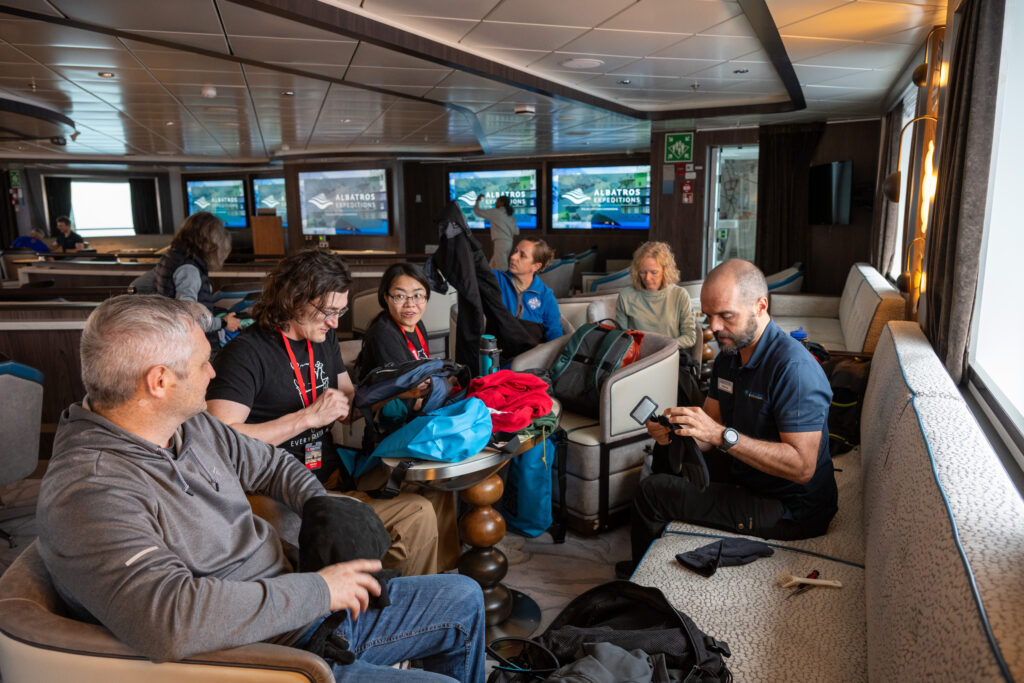
In the lower level of the ship we were greeted by more ship crew armed with what looked like dental tools. They inspected my trail shoes with great detail and aside from one tiny thorn lodged inside my sole (and a few stubborn bits of mud in the treads) I was given a thumbs up and then had my shoes rinsed in a pink antiseptic solution that prevents bacterial transfer.


After this step, all that was left between me and the marathon was a good nights sleep!
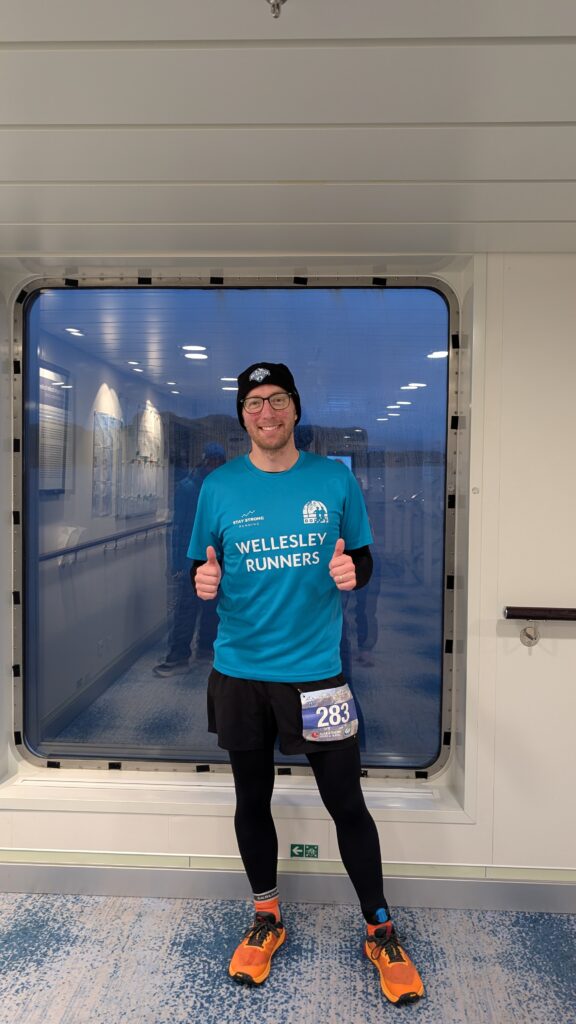
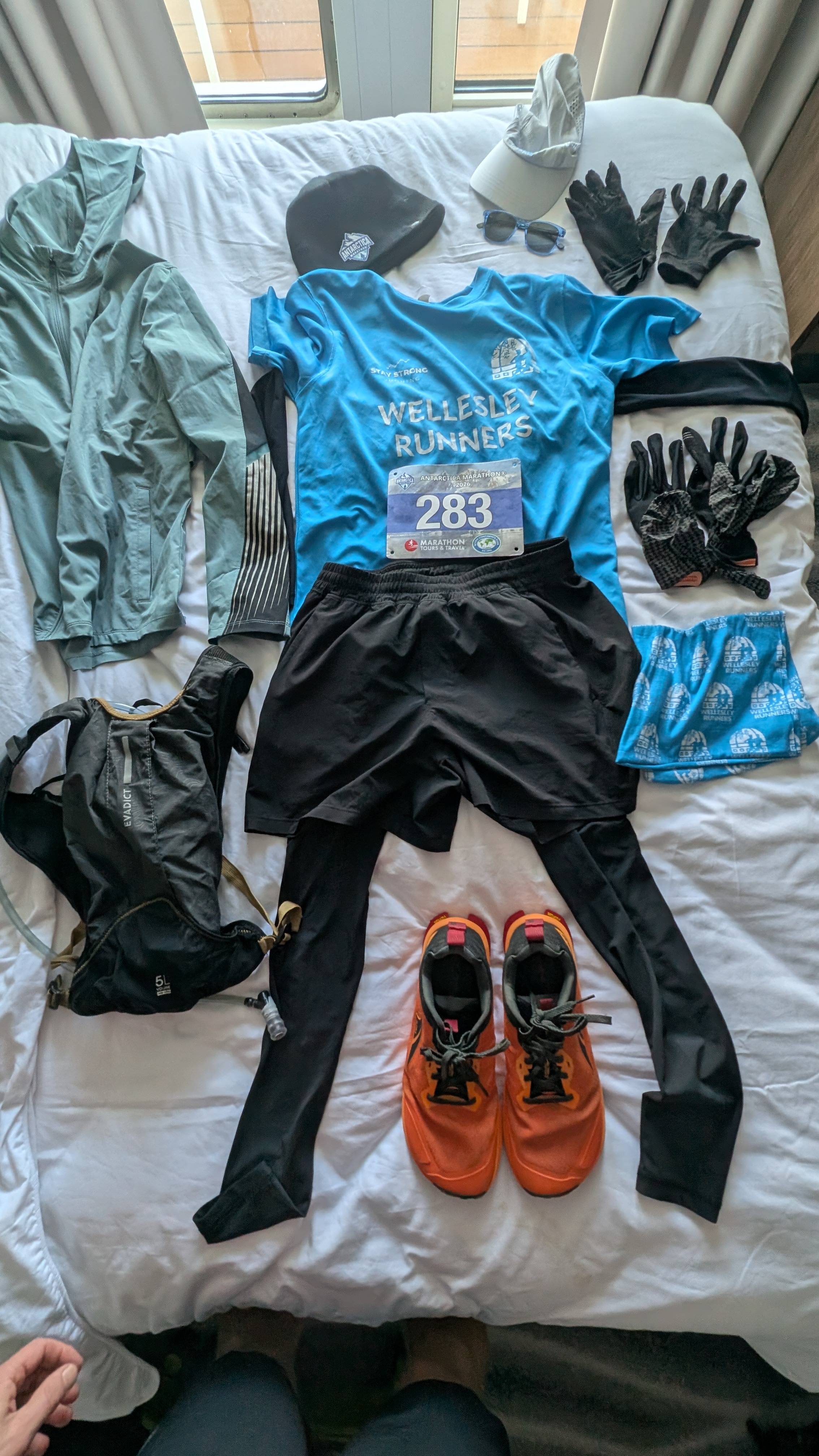
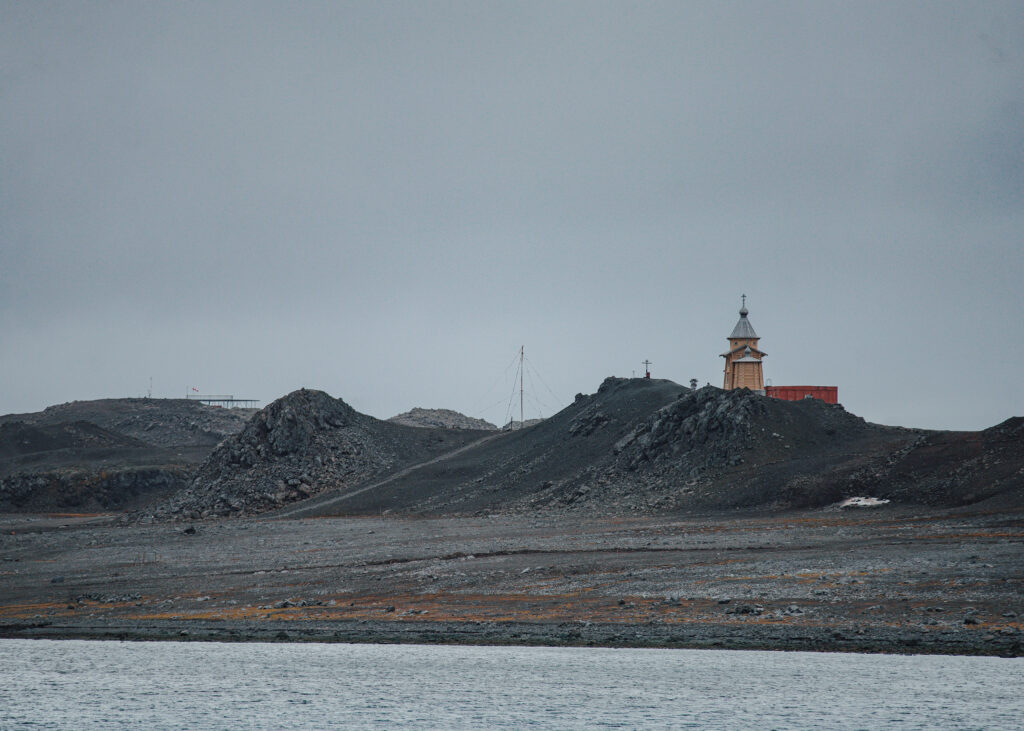
We were awoken on race day by our ship expedition leader Gert just as the sky started to wake up. As the sky lightened we were able to catch a glimpse of the island and the various bases that call it home.
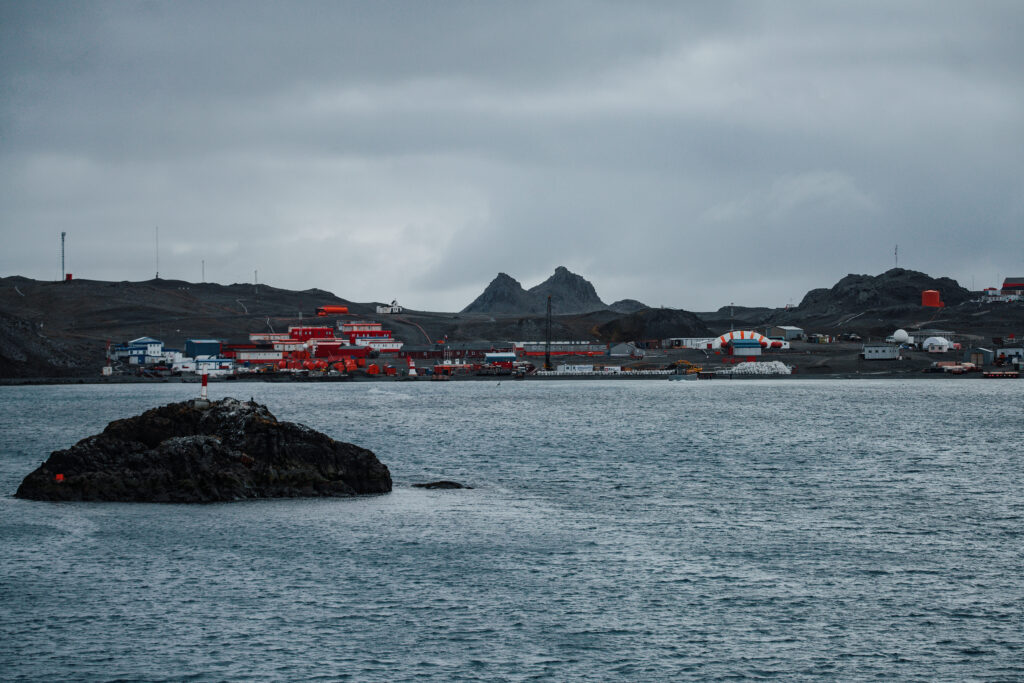
The race set up crew had begun setting up at 5:30 and shortly after our early breakfast we started getting called by groups to board our own zodiacs that would bring us to the race start, planned for 7:00am. This would be our first time on the zodiacs, and our first steps on Antarctica.
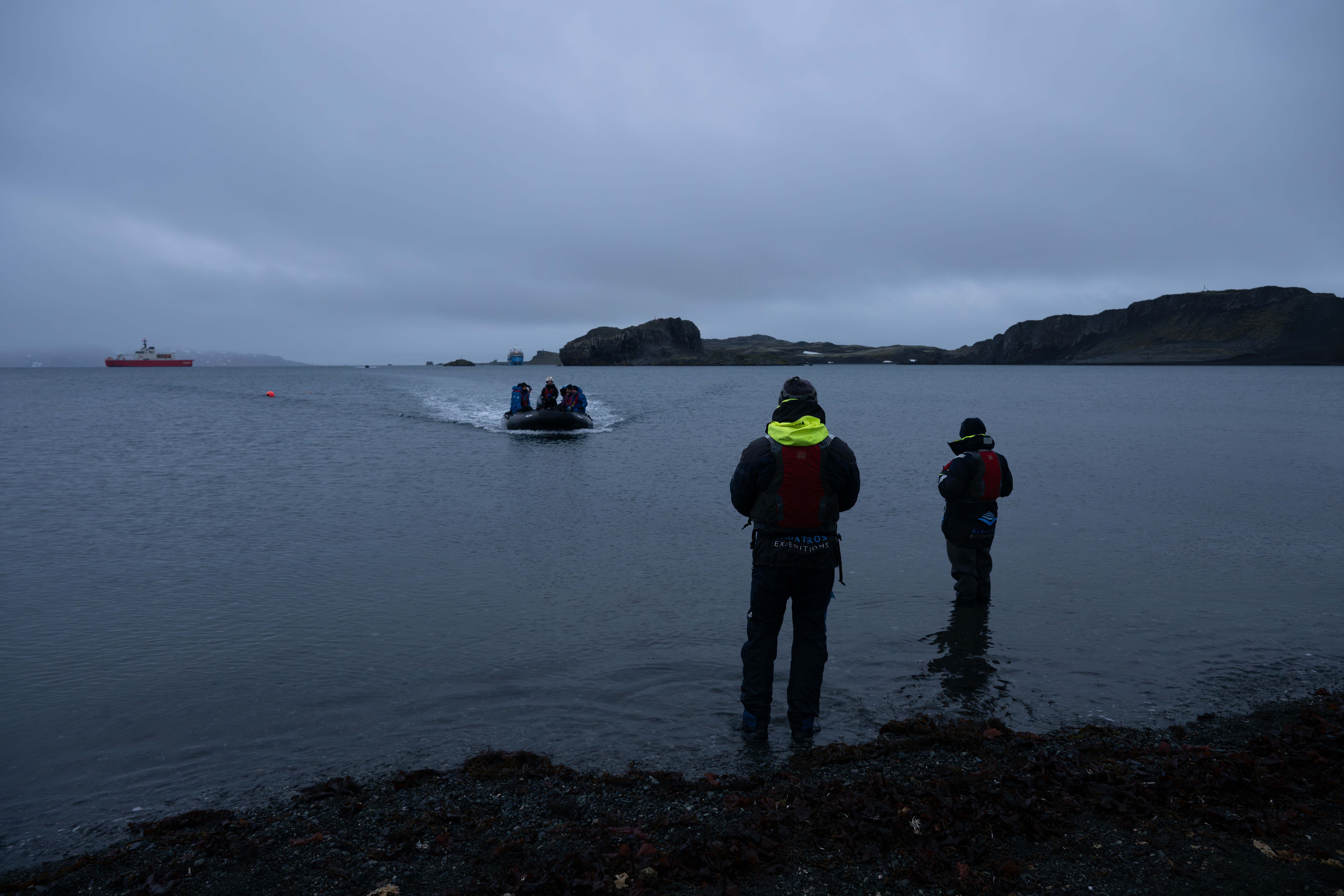
I must admit I had a burst of nerves as we sat in our parkas on the short ride between the ship and the island. The shoreline was dotted with penguins and then further up the coastline were the various buildings that made up Russia’s Bellinghausen scientific base. We were going to be running a shorter loop than originally planned, started at Bellinghausen, then through the Chilean Base Presidente Eduardo Frei Montalva and then onward to the turn around point at China’s Great Wall base.


The Marathon Begins
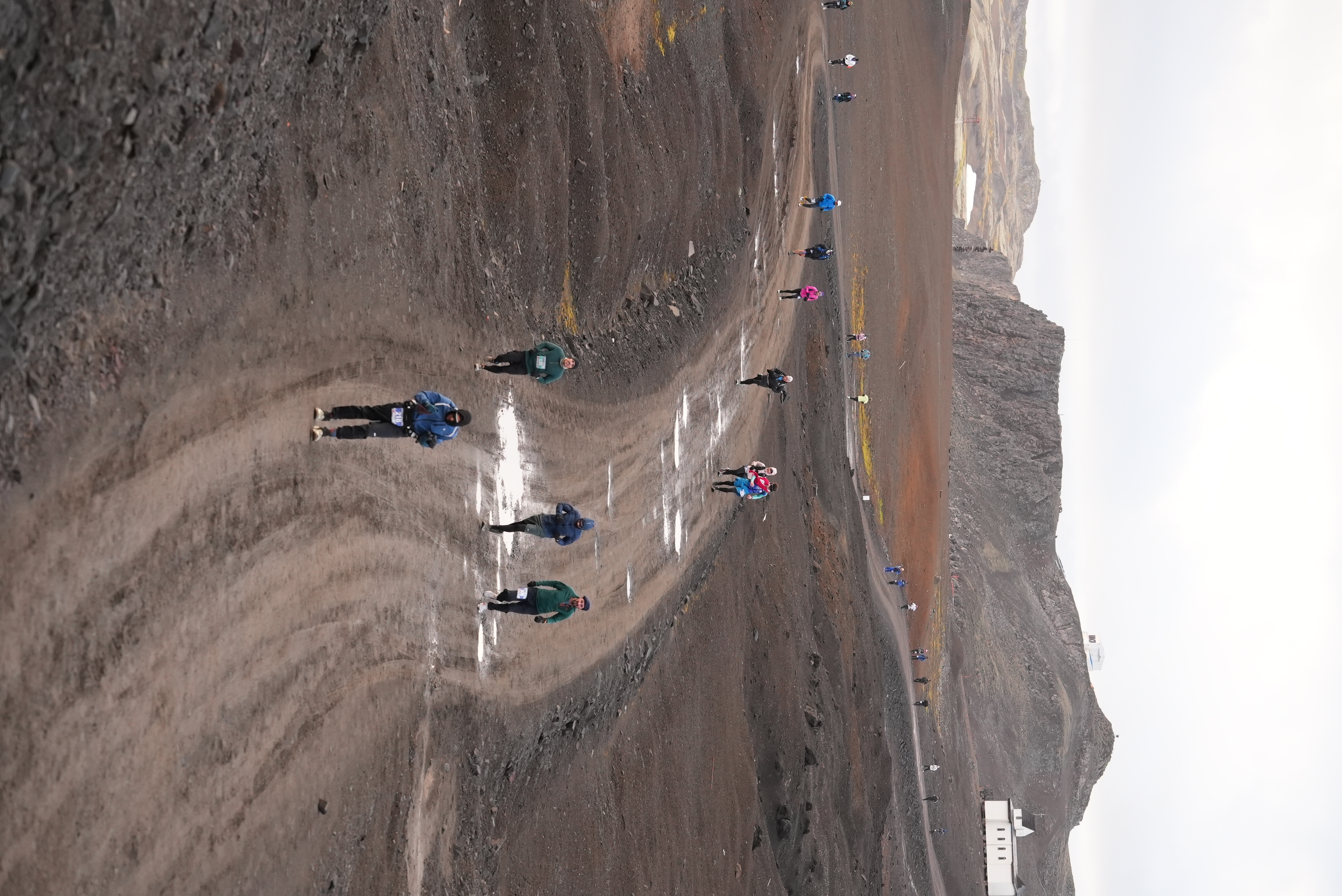
We dropped our warm gear onto labeled tarps and then left our labeled water bottles at the water station next to the start and then before we knew it, the countdown was on and we were let loose, to begin the 6 loops of the course.
The first and last sections of each loop were the hilliest parts of the course, a mixture of slippery mud on the hardpacked road toward the airstrip and then packed stones as we made our way toward the Chinese base.


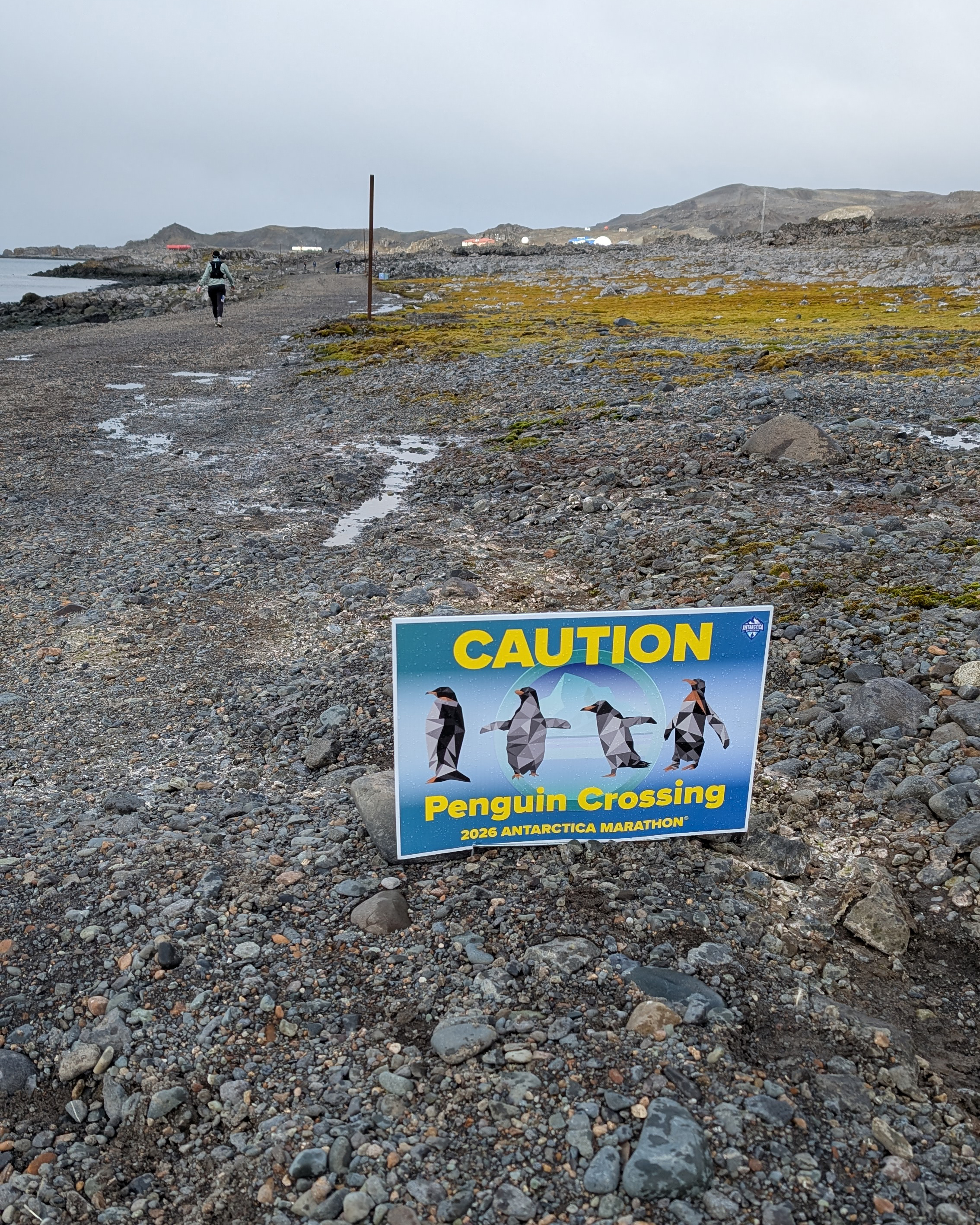
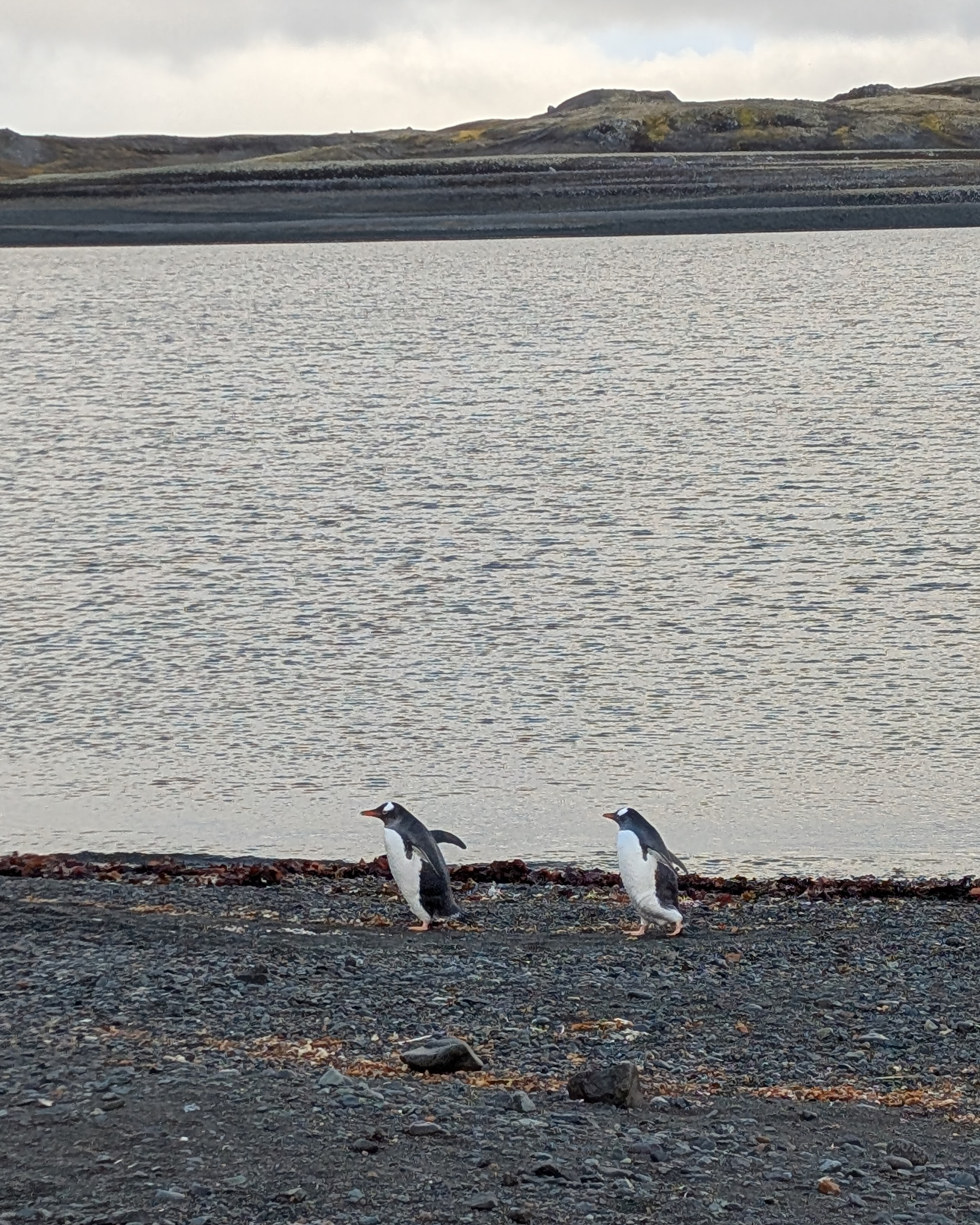
Once we dipped down off the hills we were greeted with a view of the coastline, an area lovingly called Penguin Crossing, which lived up to its name.
Groups of Gentoo Penguins greeted us along the water as we ran toward the turn around point, stepping over the timing mat and then turning around to loop back toward the start.
On the return of that first lap, the snow began and it blew in sideways. I was worried at that point that it would be another 22 miles of whipping sleet, but thankfully the weather changed again a few minutes later and we were treated with some sunshine and calm winds.
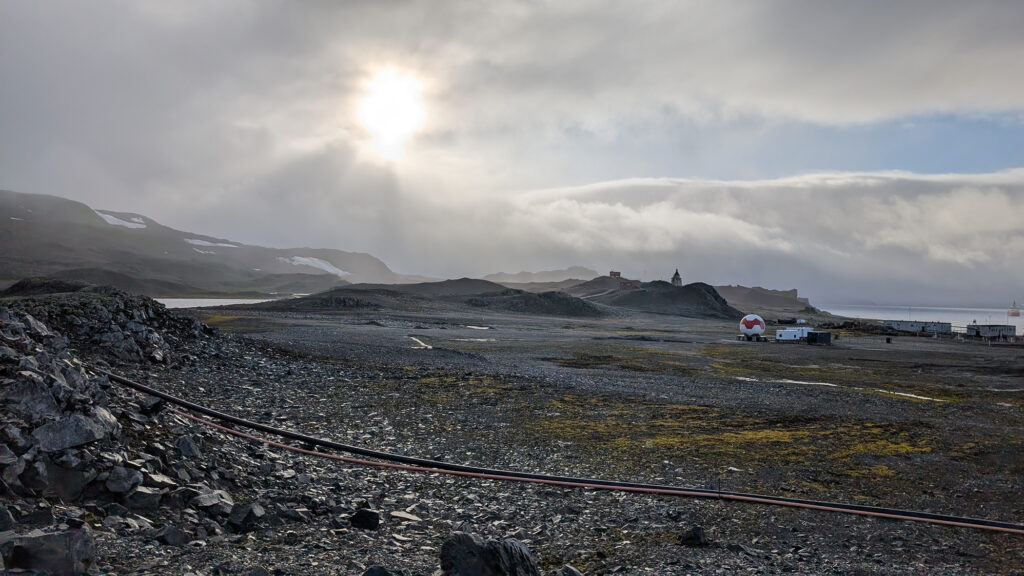
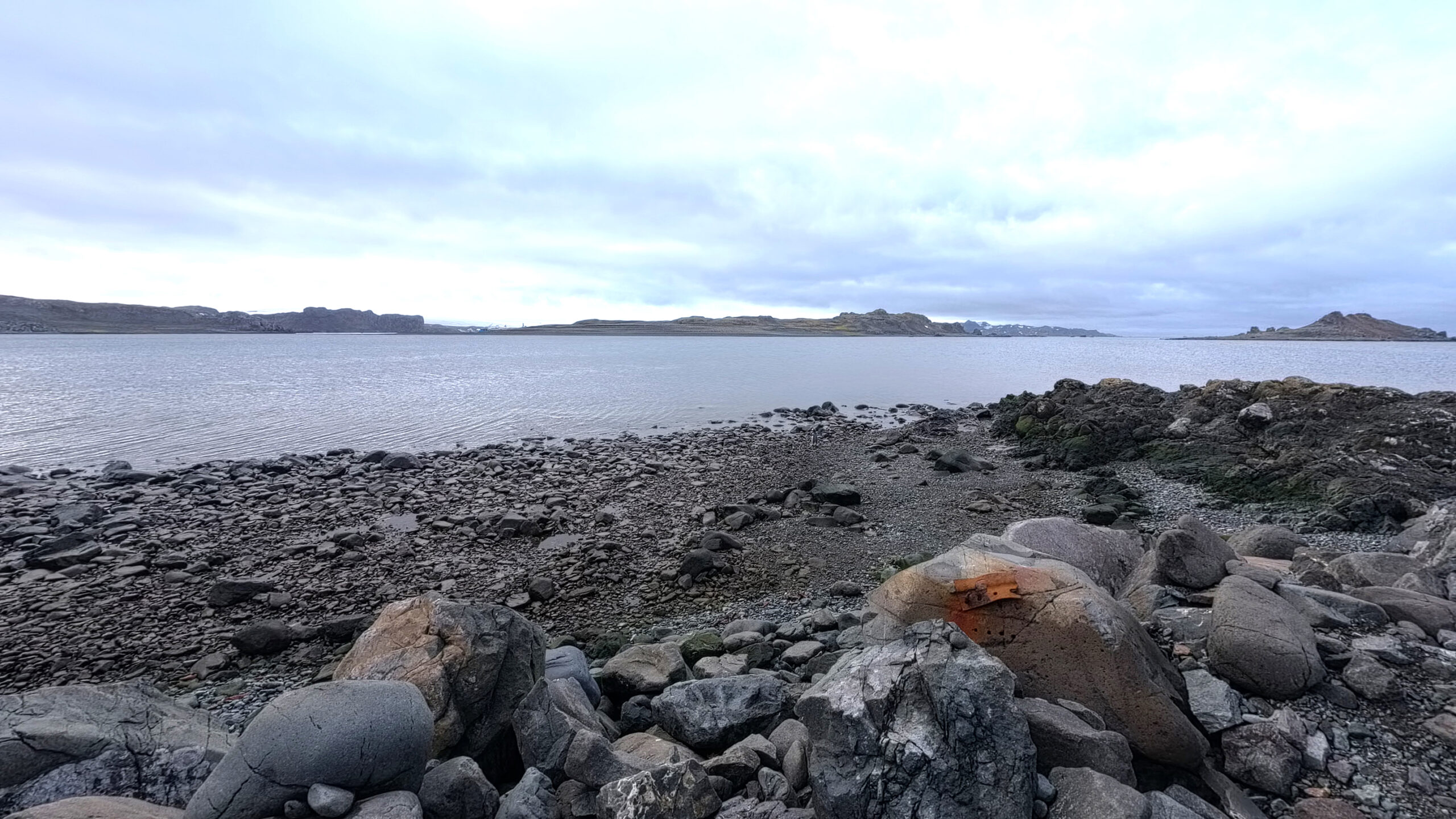
Once I had the first couple of loops out of the way I was able to settle in and really take in the area that we were running in. I had tears in my eyes as I crested the hills and was treated to views of Maxwell Bay and the buildings of the scientific bases huddled together. It felt like another planet at times, with rocky hills giving way to moss covered boulders and stunning lakes tucked into the small valleys.
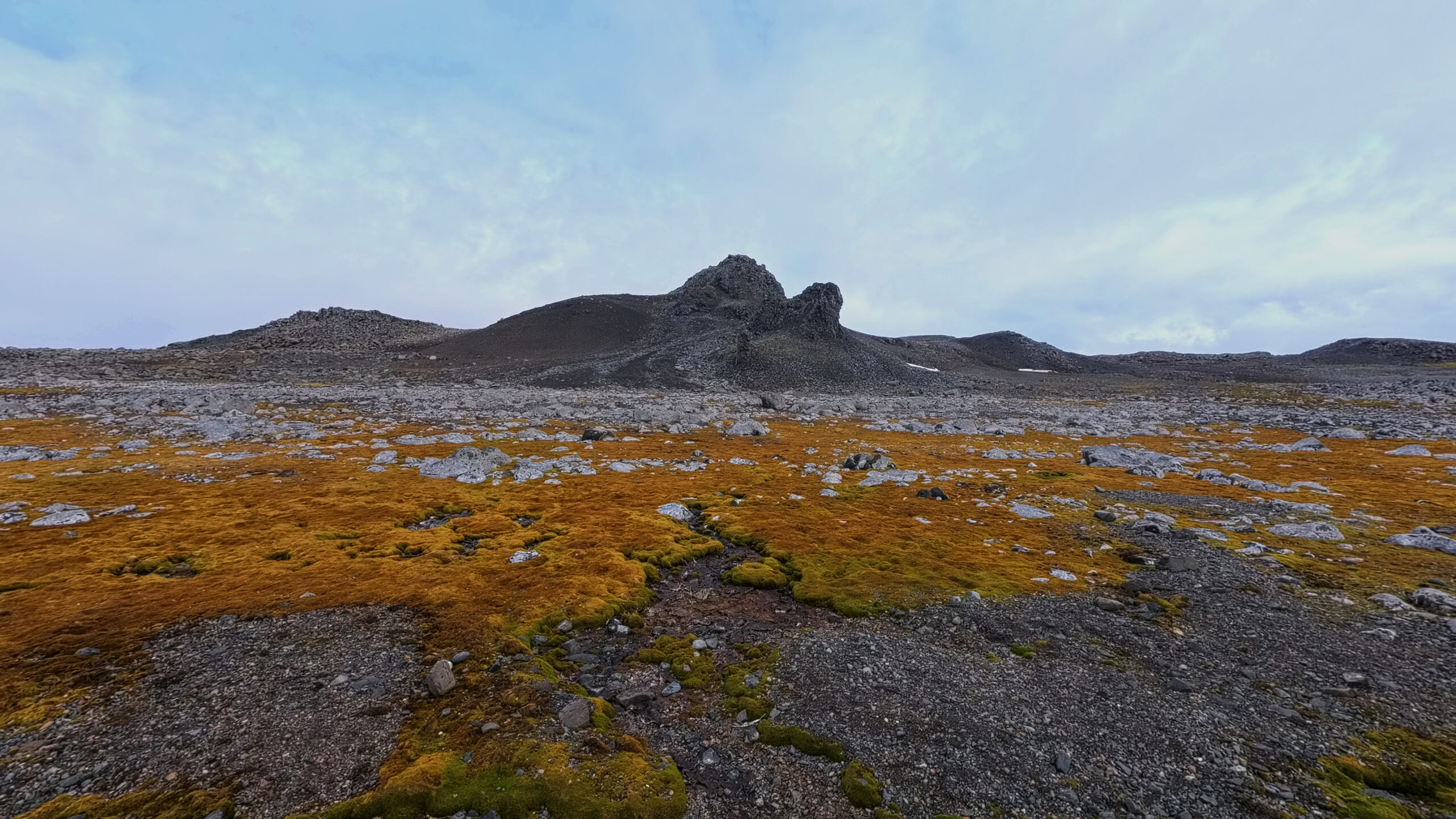
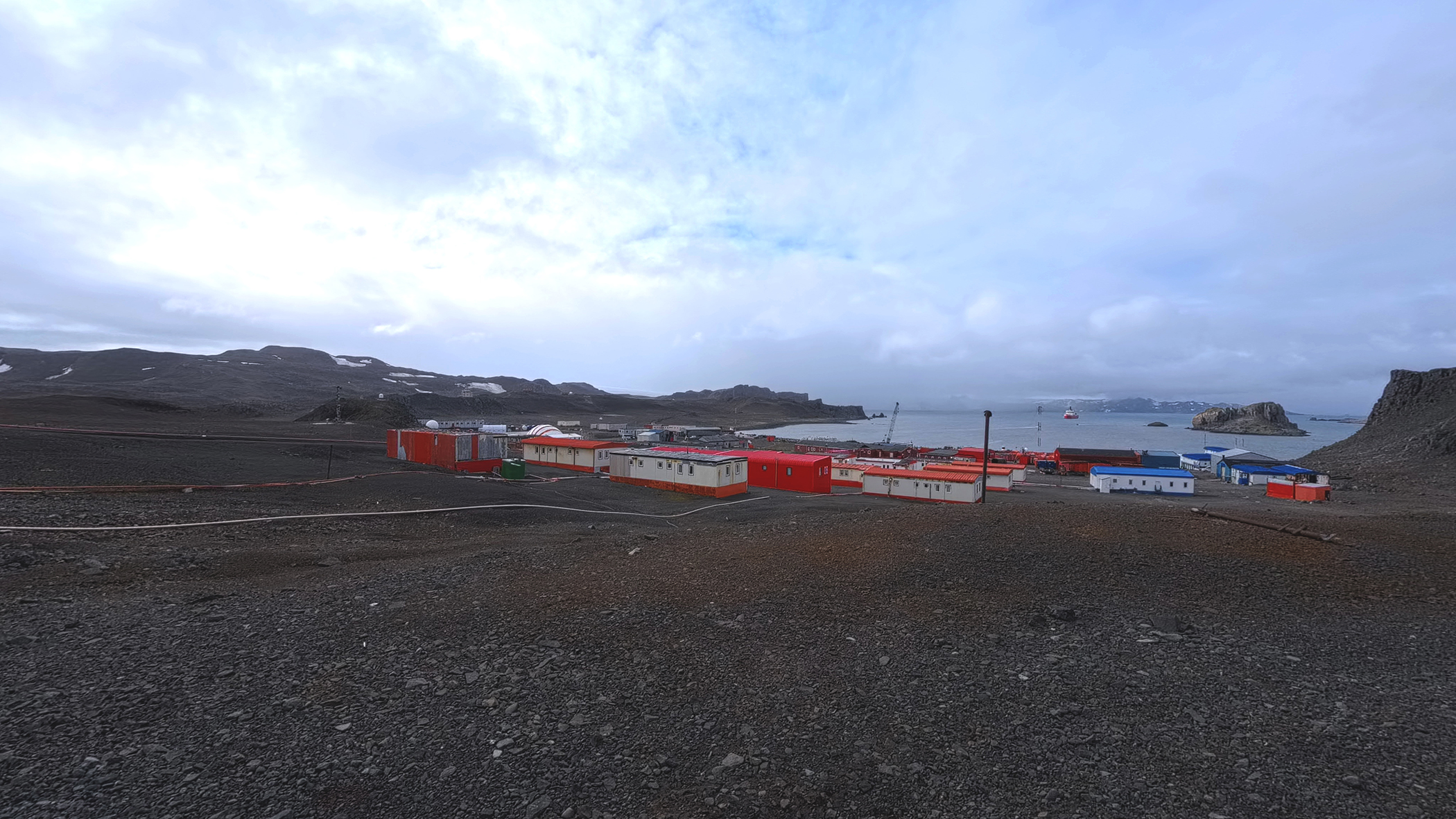
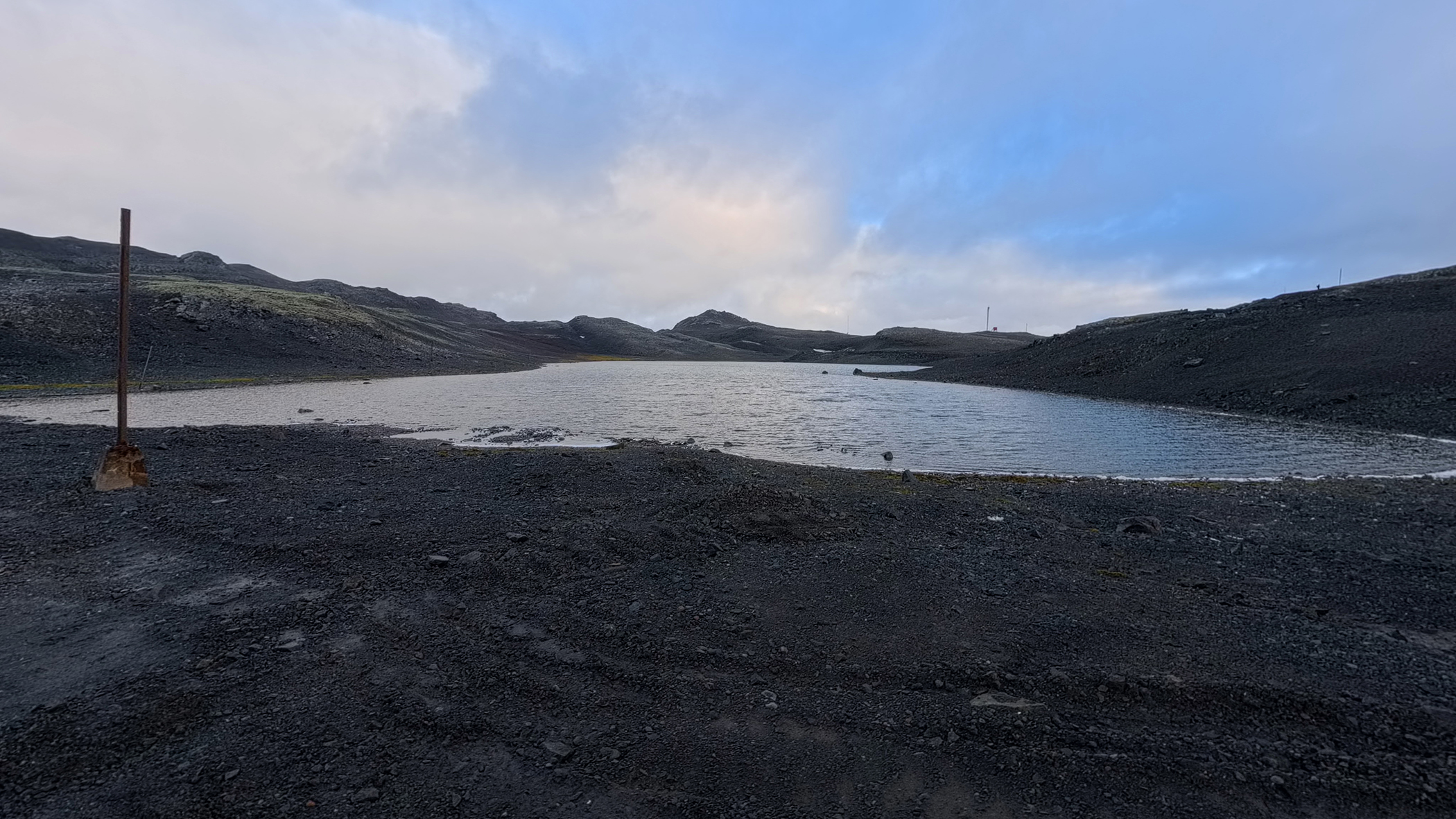
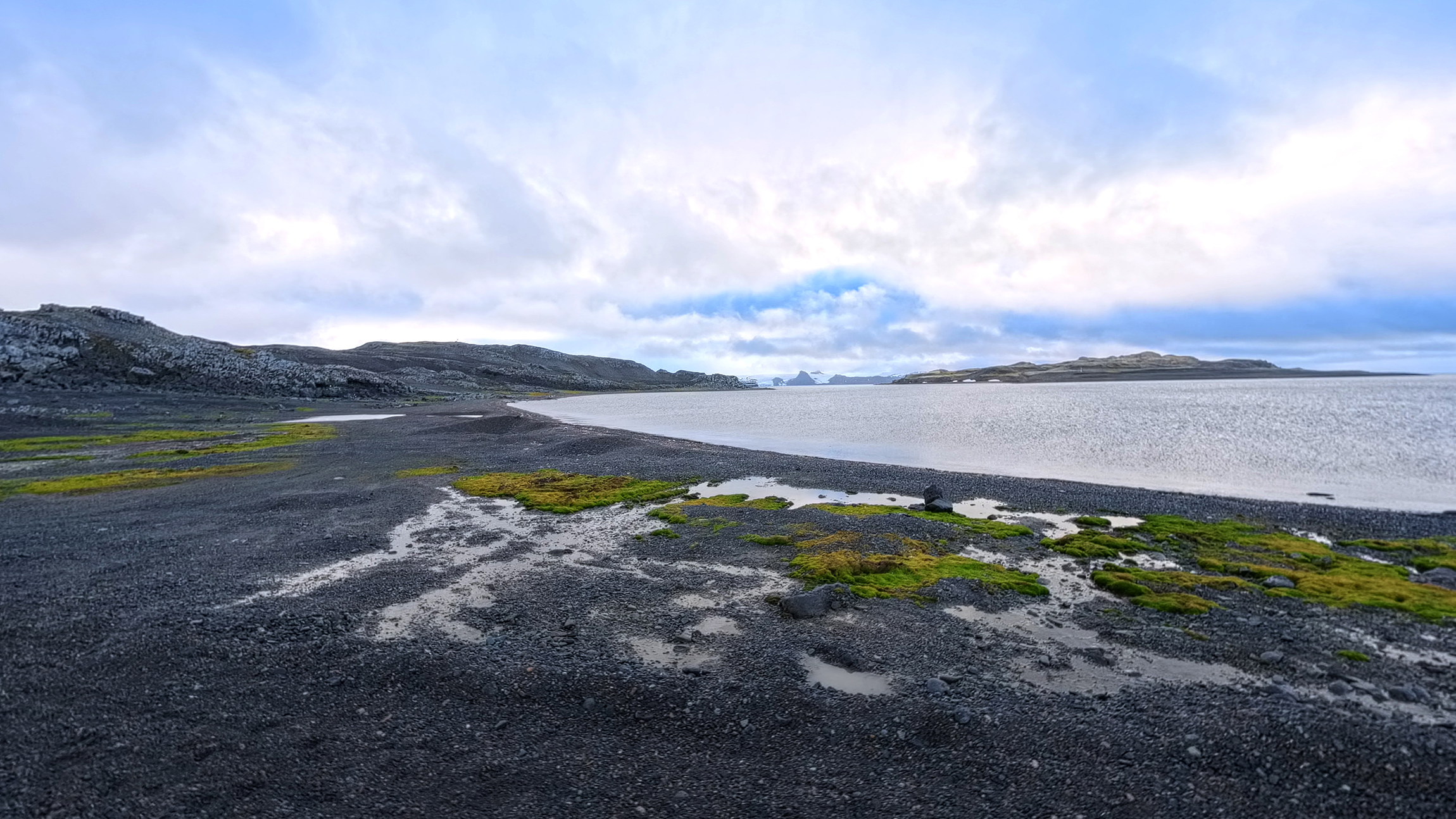
In all my prep I had practiced with layers of warm gear but shortly after the first course I found myself shedding layers as quickly as I could. My warm toque was swapped with a running cap, my warm gloves switched out for thinner ones. At points I was just running in a tshirt with long sleeves. It felt odd to be too hot in Antarctica but given that races in previous years had to be cut short because of poor weather, I was happy to be able to have good conditions.
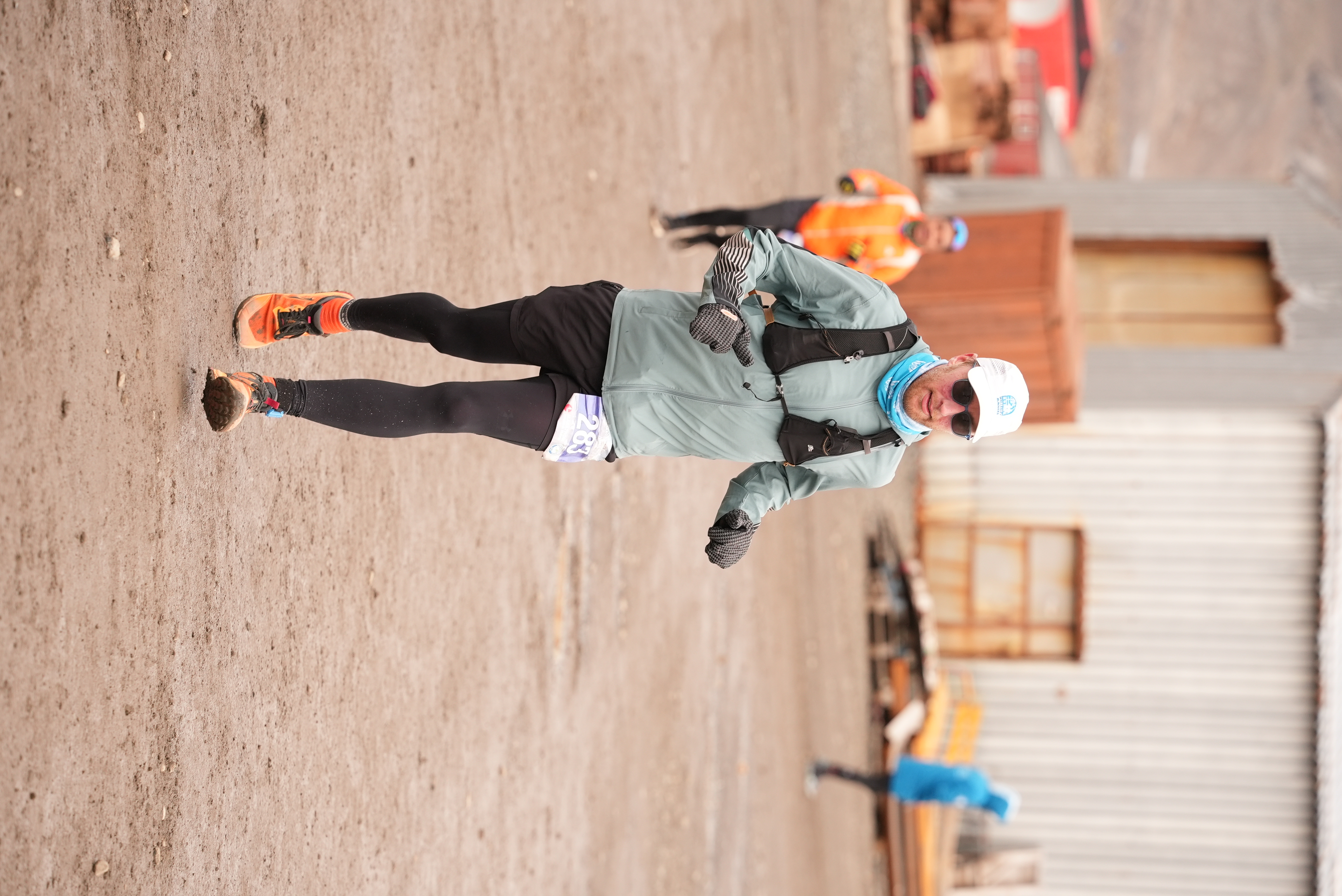
The atmosphere of the race itself was incredibly positive, the benefit of a looped course like this is that you can cheer on the other runners consistently throughout the race. As our spectators were limited to the ships crew, some scientists that had come to watch, and a few spouses that had opted not to run, it was up to the runners to motivate and push each other to keep going. It was during these miles that I really found myself bonding with my fellow racers and looking forward to seeing new friends so I could cheer them on.
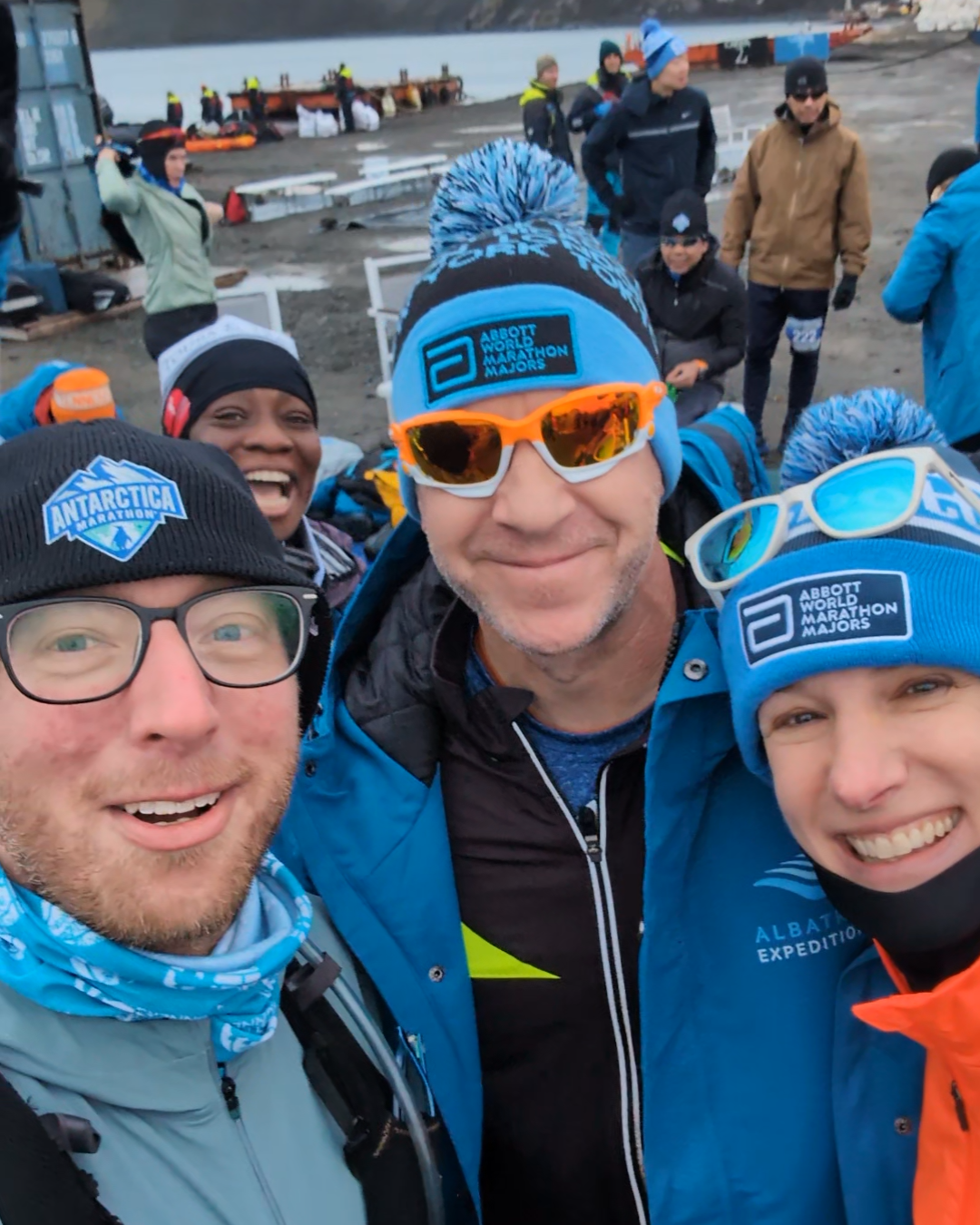
“2 laps left?” “Almost at the turn around” “Check out the penguins!” we’d shout at each other as we passed by, taking advantage of the hills to slow down and chat as we ran up and then down the other side.
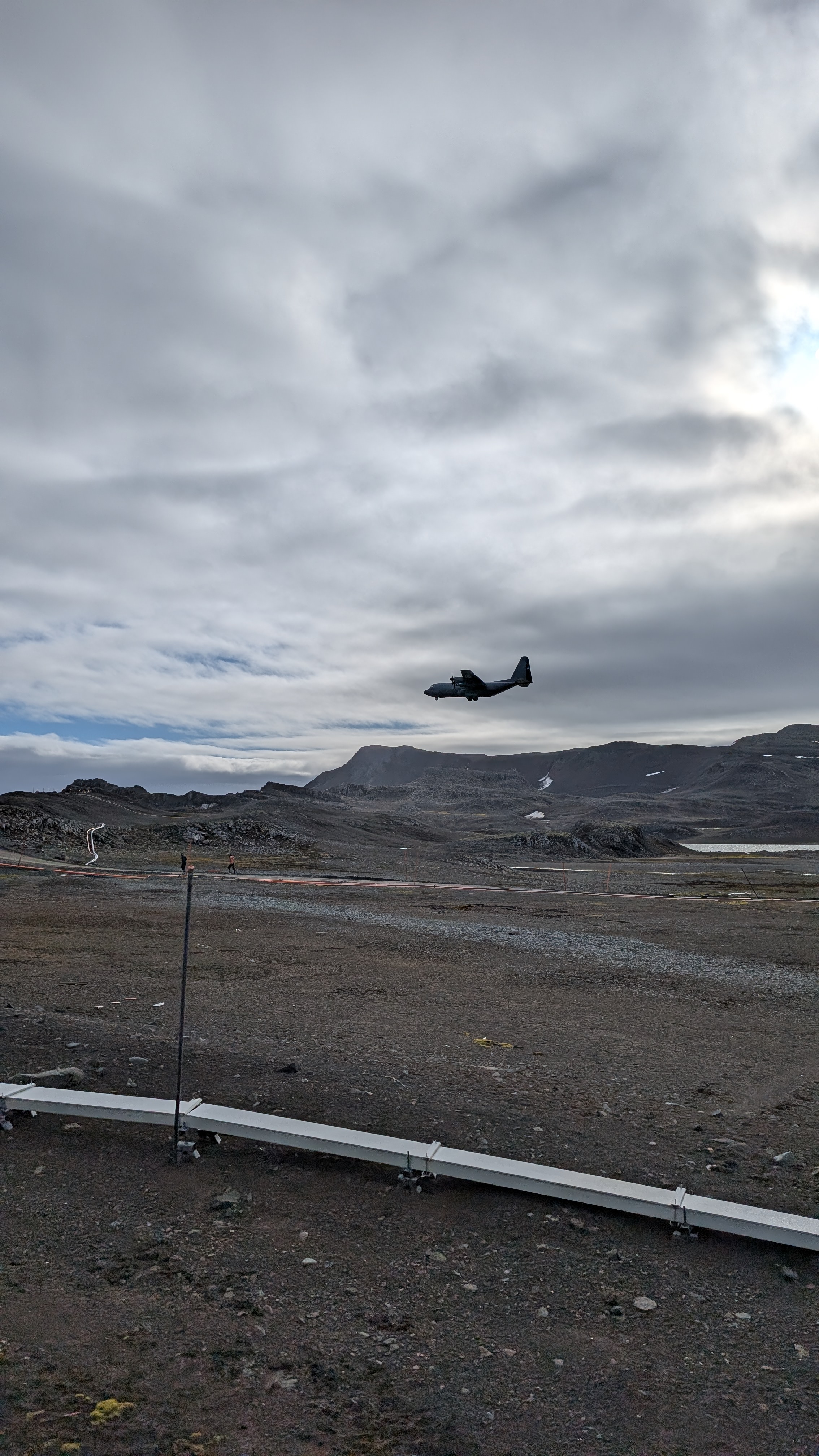


I knew going into the race that I wasn’t going to ‘race’ it. I know that I can do a sub 3:30 marathon, this wasn’t the course to do that on. I wanted to enjoy the experience, to stop and photograph it. To take it in and savour the unique experience we were given to spend more time on this continent than most people get the opportunity to do.
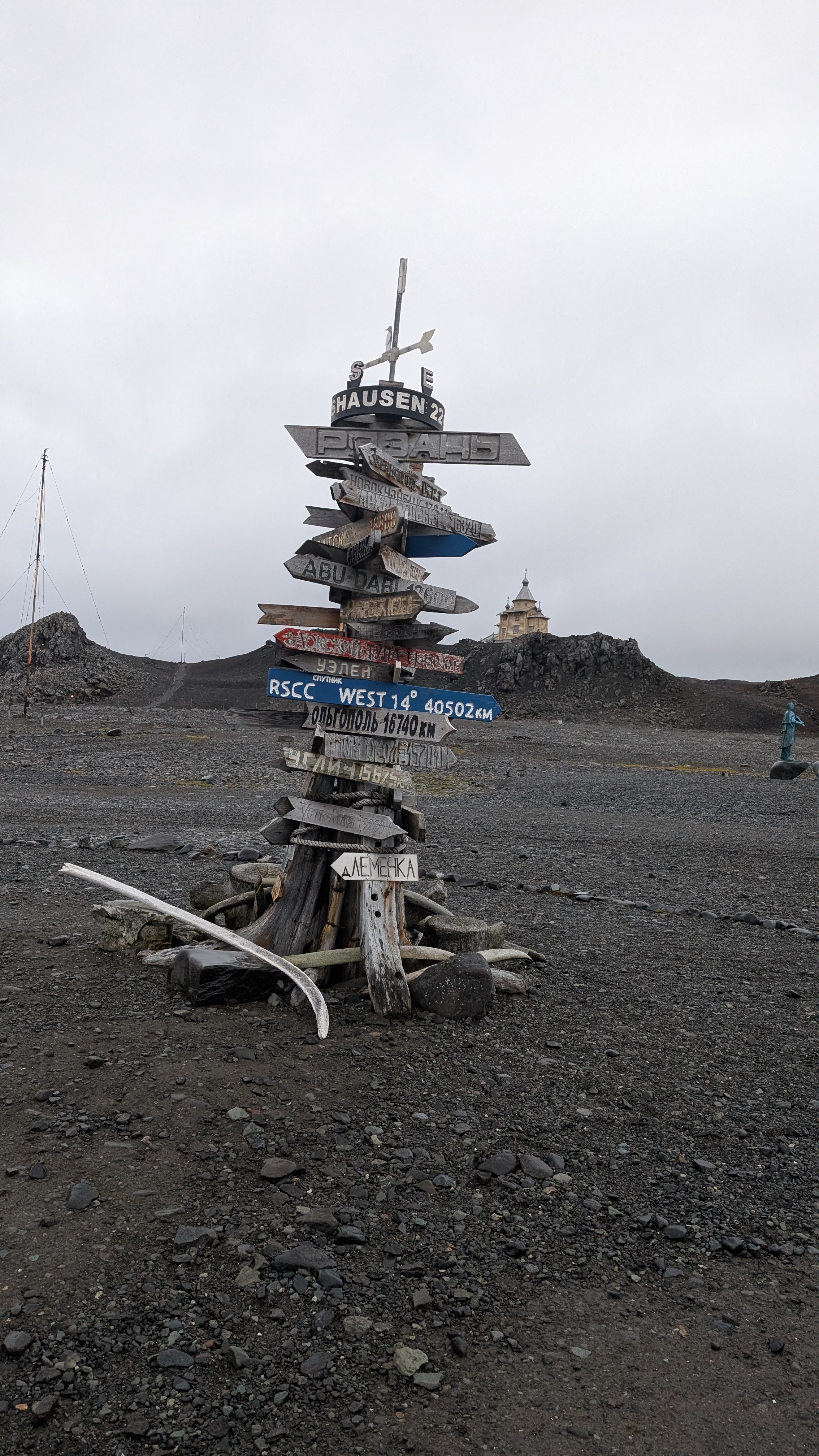
So I did just that. I stopped to photograph the landscapes, the signs dotted along the course, and at one point a plane arriving at the Chilean airstrip.
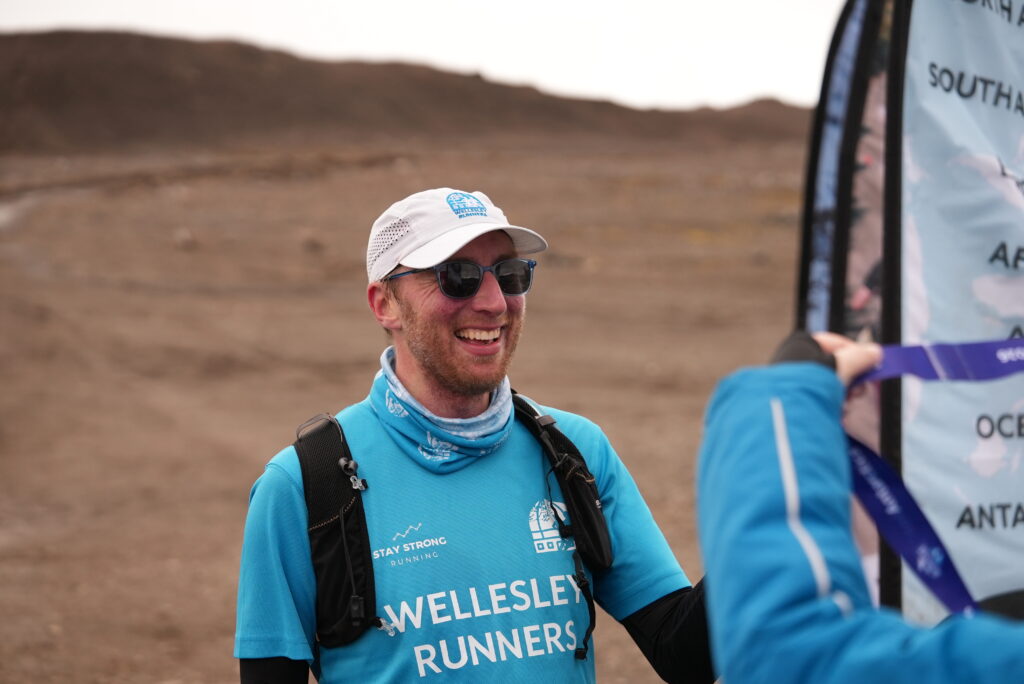
By the time I crossed the finish line, in just over 5 hours, I felt fulfilled and energised and not even a little bit tired. It was my slowest marathon that I’ve ever done, and the toughest course I’ve run a race on, but it was easily the most memorable. The one with the most time spent in awe, and the one that required me to embrace everything that was in front of me.
I gladly accepted my medal and had a quick photo taken before I was instructed to put on my warm clothes and switch back into my boots so that I could board my zodiac and return to the ship. It felt like the day had flown past, and it hardly felt like I’d just run a marathon at all.
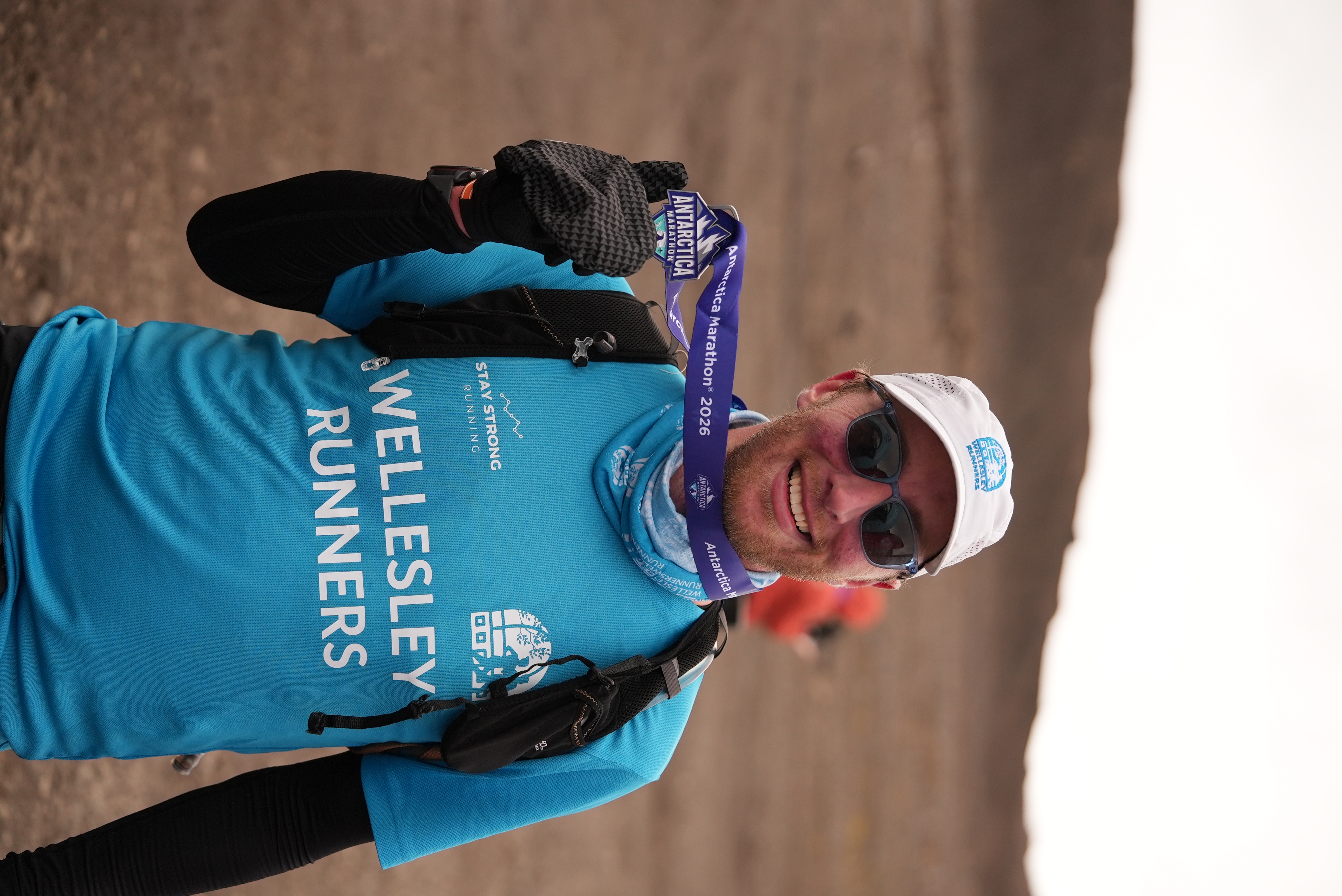
After a warm shower and a good meal, I waited in the lounge area to celebrate my fellow runners as they finished, waiting to hear their stories and celebrate together. The mood of the entire ship changed from one of nerves and subtle anxiety to one of accomplishment and celebration. We’d all just run a race on Antarctica all that was left was to enjoy the rest of the trip.
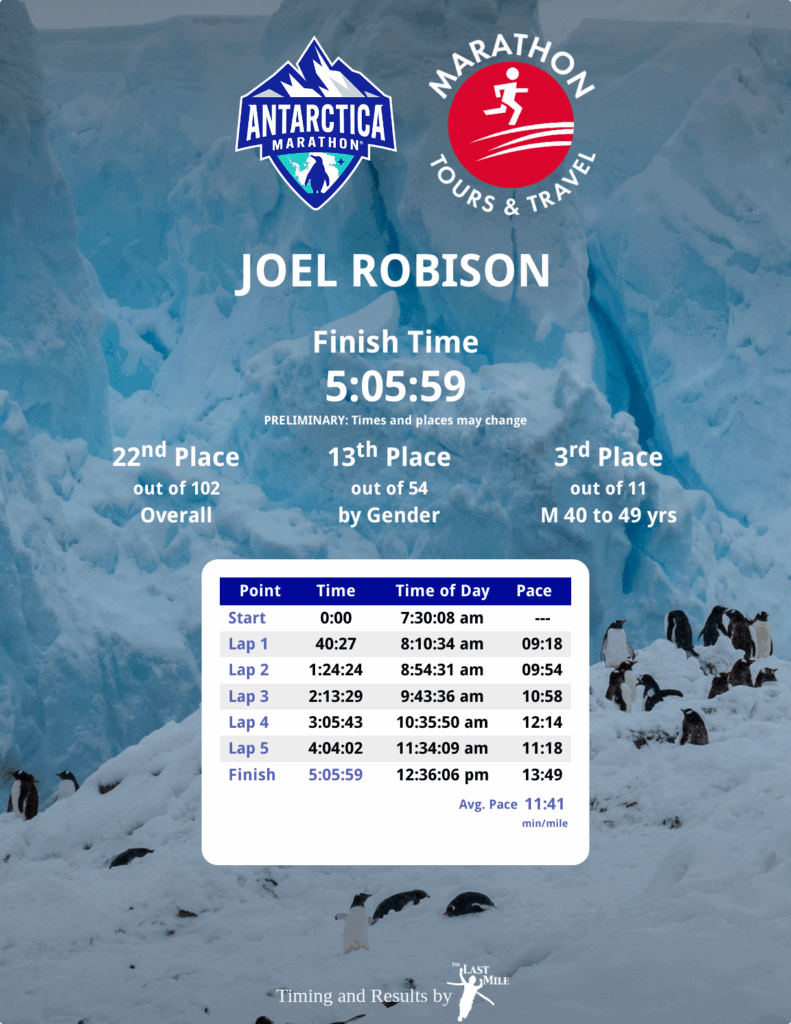
Even though my time was a lot slower than my usual marathon finish times, I still managed to finish 3rd in my age category, 22nd overall, and I left feeling completely fulfilled and in awe of this truly incredible part of the world.
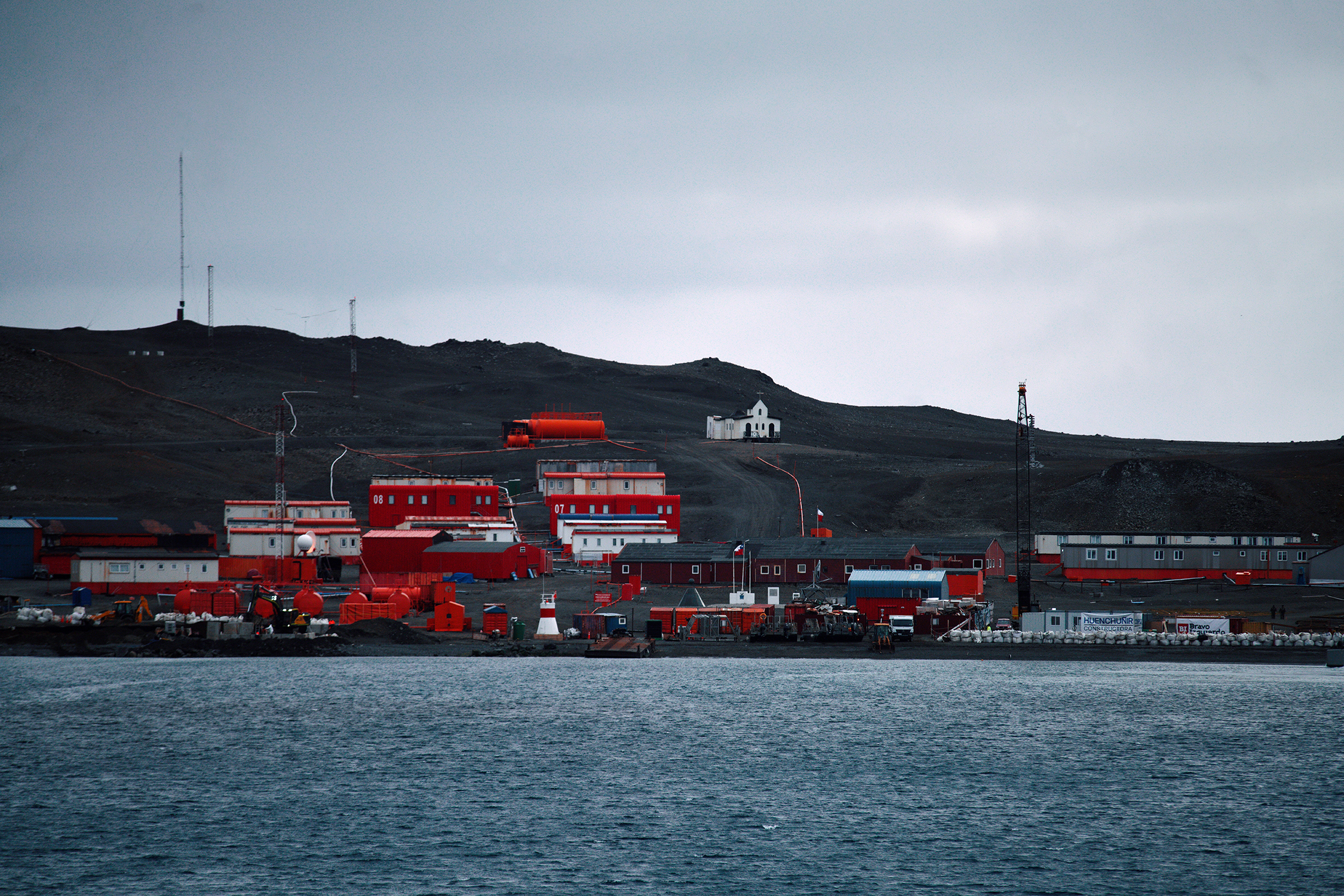
Just a few months ago I had no clue that I would be even running this race and now I found myself standing on top of the bridge, watching as the marathon course slipped away from view, feeling an immense sense of gratitude and pride in finishing such a difficult and unique race.
We were told before we headed out onto the course that it was a privilege to be able to visit Antarctica, and it truly felt like that with every step. There were moments that all I could say to myself was “wow”. To be there, being strong enough to run, being fortunate enough to be able to make this journey, was a dream that I didn’t even know could come true.
Leave a Reply
You must be logged in to post a comment.