

“What do you even wear for something like that?”
Is a question I’ve been asked at least a dozen times. And to be honest, for the first couple weeks after finding out about my upcoming adventure in Antarctica, I didn’t really have a solid answer!
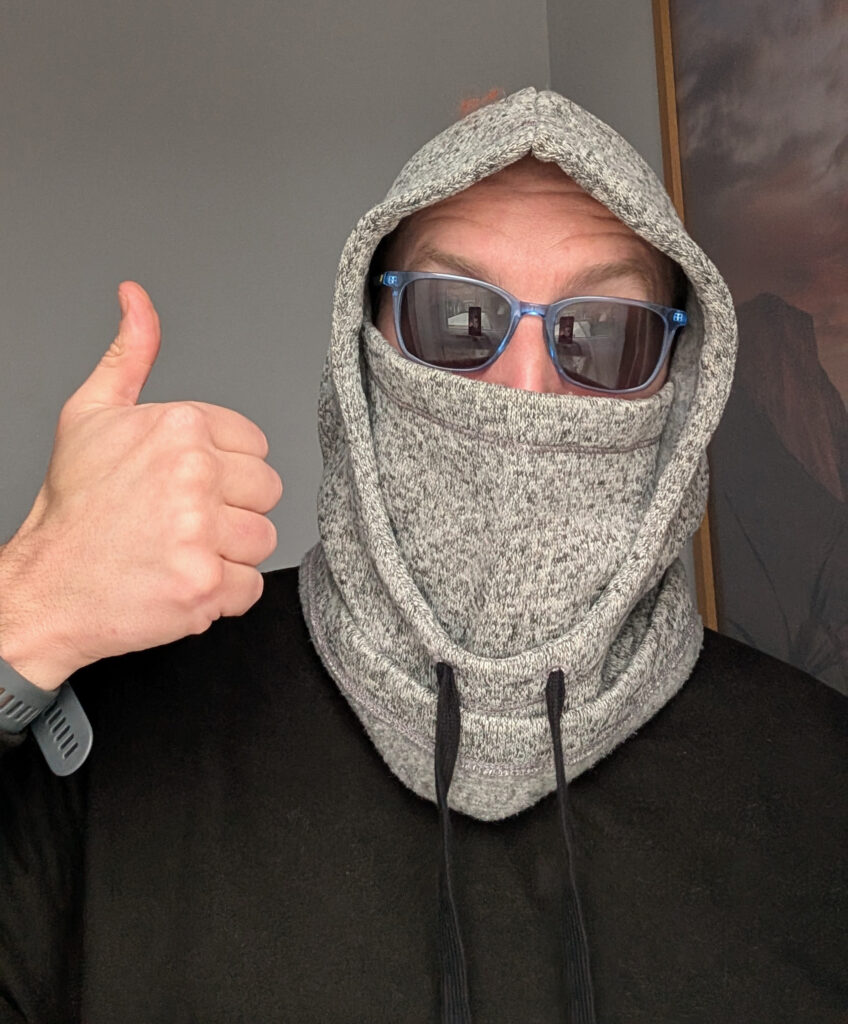
I should preface this post by saying that despite being Canadian and growing up in winters where it frequently dipped into the negative 30s, I dislike being cold and especially dislike running in it. Probably not the wisest thing to admit two months before heading down to one of the coldest places on Earth but….that’s the reality of it. It doesn’t help that I suffer from Raynaud’s which is a condition that pretty much leads to reduced blood flow in my fingers and feet which means my hands are icicles at the best of times (literally right now I’m indoors and can feel how cold my fingers are). So with those things in mind it is important that I find the best selection of kit to wear during my run, keeping in mind that even though my fingers and toes are always cold, I’m always running hot and sweat easily wearing layers.
Thankfully there’s been some really valuable help shared from friends, fellow runners, and past Antarctica marathoners. But even in all my research, I’m still left with a lot of my own choices to be made. One video of a past race showed runners in shorts, another showed people running bundled up with just their noses poking out of their hooded jackets.
With temperatures expected to be from 0 – 10c and windchill making it feel colder, it’s important to be prepared for both ends of that spectrum. Running at 0 degrees is manageable with a few additions, running in -15 is a much different game.
Fortunately/unfortunately, the weather in the UK over the past month has been unpredictable and bringing almost weekly storms with chilly weather, wind gusts, and rain. Miserable for most people, but a good opportunity for me to test drive all my gear to make sure it is comfortable, and more importantly, that it is warm.
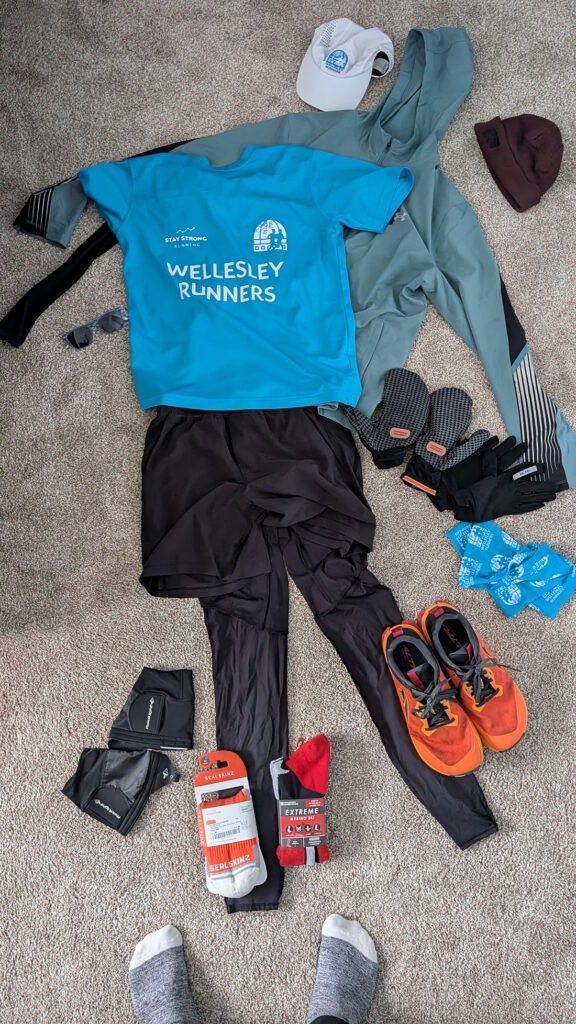
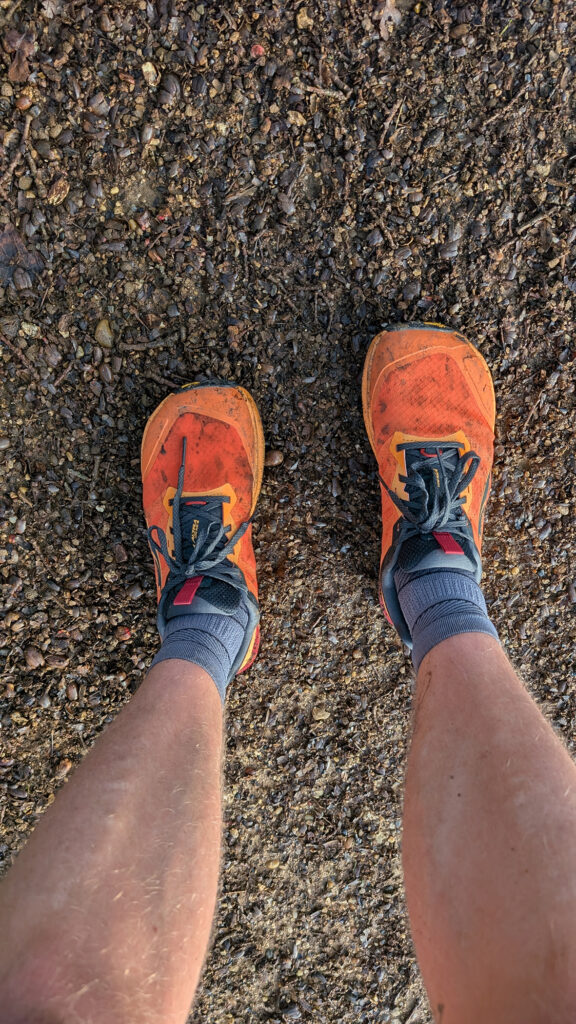
Starting from the bottom, I’m planning on wearing a pair of Altra Lone Peak 9 trail shoes. My first real pair of trail shoes that I’ve been breaking in over the course of the last month. They’re a sturdy pair of zero drop shoes that will help keep my feet dry while giving me good traction in the mud and dirt conditions of the marathon course. I’ll be wearing two pairs of socks, the first layer is a thin running sock covered with some Sealskinz waterproof running socks, that will hopefully keep my feet dry and warm (I’ll have a backup pair on reserve if I need to switch them as well.) I also added on some shoe gaiters that hook around the ankle of my shoes to help prevent water, mud, and snow from getting into my shoe. I’ve never used them but look forward to seeing what they’re like!
Then it’s a pair of warm thermal running leggings that I’ve had for a couple years, I know they keep me warm so I’m not too concerned about them. I’ll have a pair of shorts overtop, mostly just for the ease of having extra pockets.
On the upper half, it’s a more layered approach. A compression, thermal long sleeve running top layered with my running club t-shirt, then another light running top, and finally a waterproof windbreaker overtop. I’ve tested it so far and I was very warm so I anticipate one of the long sleeves may get swapped out during the race.
A running buff will help keep my neck warm (and help with any nose drips that are bound to happen). Topped off with some polarized sunglasses, and a running toque (beanie for you non-canadians) or a hat with ear warmers depending on the weather.
My hands have definitely been the thing I’ve been worrying the most about. Earlier this month when the weather dipped to -6c my running gloves kept my fingers almost warm but I could still feel the painful chill after about 30 minutes. My plan for the hands is another set of layers. Thinner running gloves then another layer of Sealskinz gloves with retractable waterproof mittens (and/or another pair of thicker gloves on standby just in case).
All said, it’s a lot more than I’ve ever worn for a race. My London Marathon kit was simply shorts, tshirt, socks and shoes, so this is a lot more to plan for, and a lot more to make sure I get right.
Last week marked my 3rd week of training and admittedly it was a tough one. The weather was horrendous, making it virtually impossible to get outside for 3 days, but I still managed to get in about 54km of running.
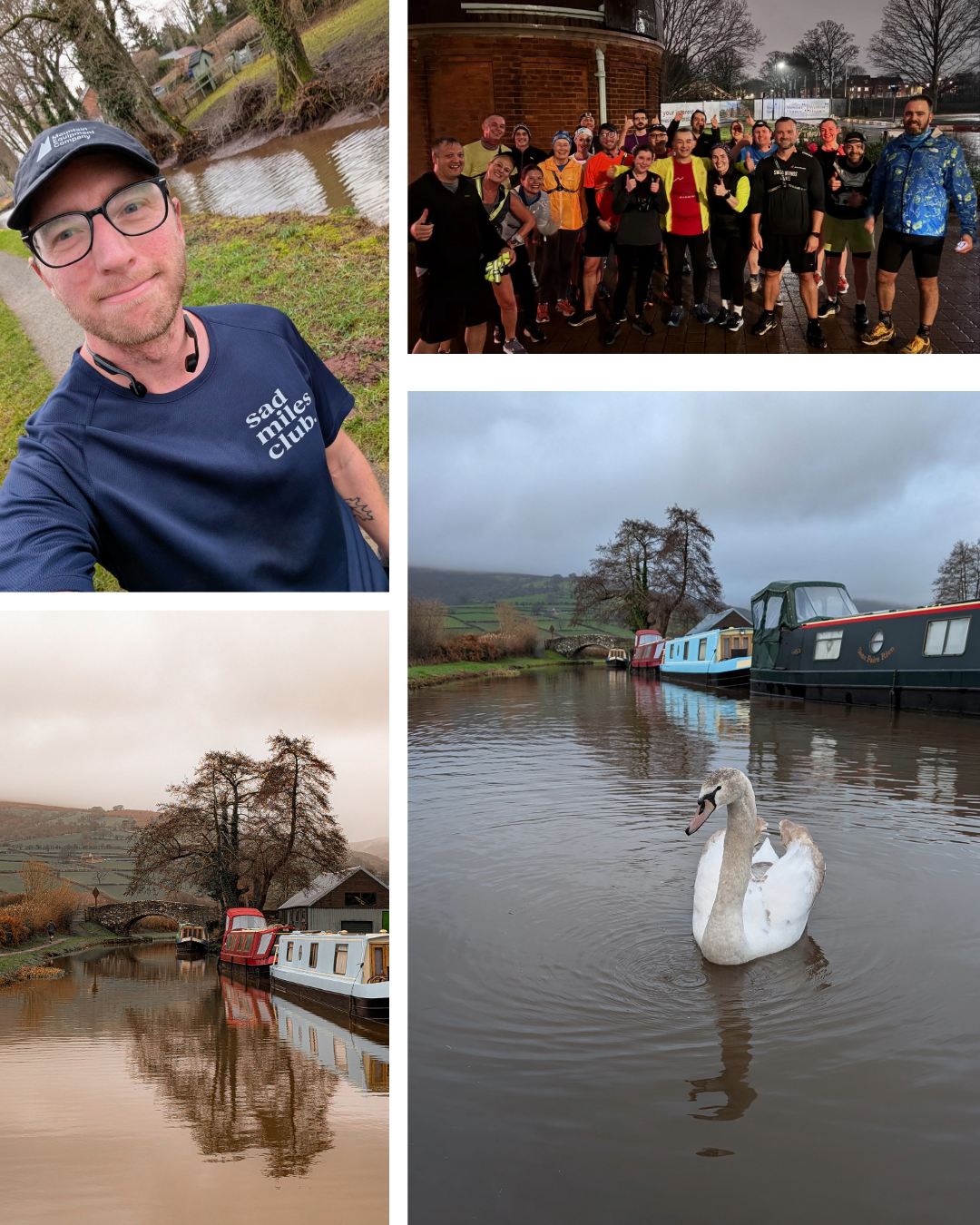
A tough hill session with my club followed by an extended group run a few days later. I blasted through an impromptu threshold session in between rain showers and pushed myself to run bursts of 400m at about 3:40/km which was awful but so beneficial. I topped the week off with a nice long run in Wales along the Brecon & Monmouthshire Canal, enjoying the views and the quiet of an early morning with just me, some swans and lots of sheep.
Now its on to week 4 of training, focusing on building my endurance with some more long runs, getting ready for a 1/2 marathon race to test my fitness and making sure I’m comfortable in everything I’m wearing!
Anything you want to know about running and training for a marathon in Antarctica?
Leave a Reply
You must be logged in to post a comment.